1001 Insider
SparTips
für ihre Neuseelandreise
von Micha Wellnitz
Filmtips aus Neuseeland
Die Filmszene
Neuseelands hat eine Reihe interessanter Filme hervorgebracht, neben der
weltbekannten "Herr der Ringe" Trilogie und dem "Whale
Rider" hier noch ein paar andere bemerkenswerte Filme. Eine Möglichkeit
ist es, sich den entsprechenden Film aus einer der vielen Videotheken
in Neuseeland auszuleihen und im Hotel, etc oder als DVD auf dem mitgebrachten
Laptop anzuschauen. Also nicht verzweifeln, wenn es mal eine Woche Dauerregen
gibt... einfach alle unten aufgeführten Filme aus der Videothek holen
und auf dem Hotelzimmer eine Kulturwoche einlegen, Popkorn nicht vergessen!
Wer nicht warten kann oder wer die Filme gerne zuhaus in seiner Sammlung
haben möchte, für den gibts auch entsprechende Links zum Einkaufen.
Da einige Filme nur englischsprachig erhältlich sind, sind die Besprechungen
dann meist leider auch nur auf englisch. Sorry.
| Hier ein heisser Tip für alle Laptop freunde! Der Regionalcode und der Kopierschutz jeder DVD kann mit folgender völlig legaler Software aufgehoben, sodaß das DVD Laufwerk unbegrenzt alle DVDs lesen und kopieren kann. Einfach und genial, funktioniert sogar wenn man die Region nicht mehr wechseln kann! DVD regionfree |
1994 Die letzte Kriegerin - Once Were Warriors- Lee Tamahori
2003 Dark Tales - New Zealand Short Films
2003 Whale Rider - Castle-Hughes
2004 Herr der Ringe - Peter Jackson
1990 An Angel at My Table- Jane Campion
1994 Heavenly Creatures- Peter Jackson
1996 Broken English- Gregor Nicholas
1992 Dead Alive- Peter Jackson
1996 Forgotten Silver- Peter Jackson
1993 Map of the Human Heart- Vincent Ward
1988 The Navigator: A Medieval Odyssey- Vincent Ward
1977 Sleeping Dogs- Roger Donaldson
1989 Meet the Feebles- Peter Jackson
1981 Smash Palace- Roger Donaldson
1999 What Becomes of the Broken Hearted? Ian Mune
1997 Topless
Women Talk About Their Lives Harry Sinclair
1979 Middle Age Spread- John Reid
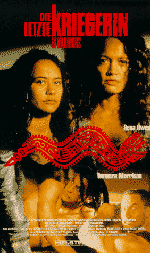 Der
neuseeländische Filmemacher Lee Tamahori (Mulholland Falls) hat mit
Die letzte Kriegerin einen unglaublich brutalen, aber kraftvollen Film
über den Untergang der Kultur der Maori in ihrer Heimat am für
uns anderen Ende der Welt inszeniert. Einer Heimat, in der sie sich mittlerweile
in einer Minderheit befinden. Rena Owen spielt die Mutter zweier Jungen
-- von denen einer als Mitglied einer Gang im Gefängnis sitzt, während
sich der andere auf dem besten Weg befindet, es seinem großen Bruder
gleich zu tun -- und einer Tochter, deren kreatives Potenzial in der Enge
ihrer Behausung zu ersticken droht. Temuera Morrison (Speed 2, Star Wars:
Episode 2) hingegen brilliert mit seiner oft schockierenden, aber doch
faszinierenden Darstellung des gewalttätigen Oberhauptes der Familie,
dem es wichtiger ist, von seinen Freunden und Nachbarn aufgrund seiner
Stärke als eine Art Oberhaupt akzeptiert zu werden, statt sich einen
Job zu suchen und seine Familie durch die Kraft seiner Arbeit zu versorgen.
Der
neuseeländische Filmemacher Lee Tamahori (Mulholland Falls) hat mit
Die letzte Kriegerin einen unglaublich brutalen, aber kraftvollen Film
über den Untergang der Kultur der Maori in ihrer Heimat am für
uns anderen Ende der Welt inszeniert. Einer Heimat, in der sie sich mittlerweile
in einer Minderheit befinden. Rena Owen spielt die Mutter zweier Jungen
-- von denen einer als Mitglied einer Gang im Gefängnis sitzt, während
sich der andere auf dem besten Weg befindet, es seinem großen Bruder
gleich zu tun -- und einer Tochter, deren kreatives Potenzial in der Enge
ihrer Behausung zu ersticken droht. Temuera Morrison (Speed 2, Star Wars:
Episode 2) hingegen brilliert mit seiner oft schockierenden, aber doch
faszinierenden Darstellung des gewalttätigen Oberhauptes der Familie,
dem es wichtiger ist, von seinen Freunden und Nachbarn aufgrund seiner
Stärke als eine Art Oberhaupt akzeptiert zu werden, statt sich einen
Job zu suchen und seine Familie durch die Kraft seiner Arbeit zu versorgen.
Tamahoris Film ist ein unglaublich gewalttätiges Werk, in dem Gewalt
nicht stilisiert, sondern derart realistisch dargestellt wird, dass man
als Zuschauer immer wieder wegschauen möchte, da man die Schläge,
die ausgeteilt werden, selbst zu spüren glaubt. Wichtiger aber ist,
dass uns Tamahori einen Einblick in das Leben von Menschen am Rande einer
Gesellschaft erlaubt. Menschen, denen man vor langer Zeit ihre Würde
genommen hat -- eine Würde, die einige von ihnen heute zurückfordern,
wofür sie einen oft schweren, menschenunwürdigen Weg zu beschreiten
haben. --Tom Keogh
Diesen deutschsprachigen
Film bestellen bei Amazon.de
 "Dark
Tales - Die besten Kurzfilme aus Neuseeland"
"Dark
Tales - Die besten Kurzfilme aus Neuseeland"
Nach dem großen Erfolg des Video-Doppelpacks, nun endlich vereint
auf DVD: Dark Tales. 15 zeitlos düstere Kurzfilme vom anderen Ende
der Welt, wo die Menschen Kopf stehen und der schwarze Humor regiert.
Verstörende Geschichten die beweisen, dass diesses Land weit mehr
zu bieten hat, als Berge, Kiwis und trollige Hobbits.
Alle Filme sind in englischer Original-Sprachfassung mit nicht ausblendbaren
deutschen Untertiteln!
Diesen Film
bestellen bei Amazon.de
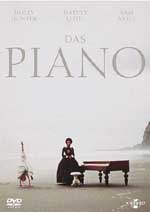 Jane
Campions Das Piano traf 1993 beim Publikum, das von den großartigen,
traumhaften Bildern wie gefesselt war, genau den richtigen Ton. Es ist
die Geschichte der Schottin Ada (Holly Hunter), die stumm ist, seit sie
sich im Alter von sechs Jahren entschlossen hat, einfach nicht mehr zu
sprechen. Ada reist mit ihrer kleinen Tochter Flora (Anna Paquin) und
ihrem geliebten Klavier für eine arrangierte Heirat mit einem Bauern
(Sam Neill) an einen abgelegenen Fleck an der Küste Neuseelands.
Sie gibt einem schroffen Nachbarn, der Maori-Tätowierungen im Gesicht
trägt, Klavierunterricht, und -- von da an entwickeln sich die Dinge.
Der Film wird geprägt von traumähnlichen Sequenzen, die sich
nur schwer zusammenfassen lassen. Eine atemberaubend schöne und originelle
filmische Leistung der einmaligen Stilistin Campion. Das Piano gewann
die Goldene Palme beim Filmfestival von Cannes und Oscars für Hunter,
Paquin und das Drehbuch von Campion. Die wundervolle Musik stammt im Übrigen
von Michael Nyman, Peter Greenaways Haus- und Hofkomponist. --Jim Emerson
Jane
Campions Das Piano traf 1993 beim Publikum, das von den großartigen,
traumhaften Bildern wie gefesselt war, genau den richtigen Ton. Es ist
die Geschichte der Schottin Ada (Holly Hunter), die stumm ist, seit sie
sich im Alter von sechs Jahren entschlossen hat, einfach nicht mehr zu
sprechen. Ada reist mit ihrer kleinen Tochter Flora (Anna Paquin) und
ihrem geliebten Klavier für eine arrangierte Heirat mit einem Bauern
(Sam Neill) an einen abgelegenen Fleck an der Küste Neuseelands.
Sie gibt einem schroffen Nachbarn, der Maori-Tätowierungen im Gesicht
trägt, Klavierunterricht, und -- von da an entwickeln sich die Dinge.
Der Film wird geprägt von traumähnlichen Sequenzen, die sich
nur schwer zusammenfassen lassen. Eine atemberaubend schöne und originelle
filmische Leistung der einmaligen Stilistin Campion. Das Piano gewann
die Goldene Palme beim Filmfestival von Cannes und Oscars für Hunter,
Paquin und das Drehbuch von Campion. Die wundervolle Musik stammt im Übrigen
von Michael Nyman, Peter Greenaways Haus- und Hofkomponist. --Jim Emerson
Das Piano - Ein sinnlicher
Film voller erotischer Spannung und sexueller Leidenschaft. 19. Jahrhundert:
Ada (Holly Hunter) kommt mit ihrer neunjährigen Tochter und ihrem
über alles geliebten Klavier zu einer arrangierten Heirat in den
entlegenen Busch von Neuseeland. Ihr Ehemann (Sam Neil) weigert sich,
das Klavier zu transportieren. Es bleibt als einziges ihrer Besitztümer
am Strand zurück. Ada kann den Gedanken an seine sichere Zerstörung
nicht ertragen und geht einen Handel mit ihrem Nachbarn, einem Analphabeten
(Harvey Keitel), ein. Doch diese Abmachung verwickelt die drei tiefer
und tiefer in eine komplexe sexuelle Beziehung, die sich beängstigender
Weise um keine Grenzen kümmert.
Diesen deutschsprachigen
Film bestellen Amazon.de
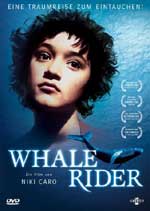 Einer
der bezauberndsten und von der Kritik meistgelobten Filme des Jahres 2003,
der neuseeländische Hit Whale Rider, kombiniert auf wirkungsvolle
Weise die Stammestraditionen der Maoris mit der zeitgemäßen
"Girlpower" eines dynamischen neuen Jahrtausends.
Einer
der bezauberndsten und von der Kritik meistgelobten Filme des Jahres 2003,
der neuseeländische Hit Whale Rider, kombiniert auf wirkungsvolle
Weise die Stammestraditionen der Maoris mit der zeitgemäßen
"Girlpower" eines dynamischen neuen Jahrtausends.
Trotz der entmutigenden Einstellung ihres schroffen und missbilligenden Großvaters (Rawiri Paratene), der sie beinahe verstößt, da sie als Frau traditionell von der Stammesführung ausgeschlossen ist, macht sich die zwölfjährige Pai (Keisha Castle-Hughes) -- überzeugt davon, eine Stammesführerin zu sein -- daran, den Beweis dafür zu erbringen. Ohne die Story (nach einem Roman von Witi Ihimaera) mit falscher Sentimentalität zu überfrachten, entfaltet die Drehbuchautorin und Regisseurin Niki Caro sehr reale und sehr turbulente Familienbeziehungen, intim und doch zerrissen durch den Zusammenprall sturer Traditionen und sich verändernder Haltungen. Der sagenhafte Walreiter -- höchstes Sinnbild der Verbindung der Maoris mit der Natur -- ist auch der Verkünder von Pais Schicksal.
Die großartige Castle-Hughes
liefert eine brillante, erstaunlich kraftvolle Darbietung, bei der kein
Zuschauerauge trocken bleibt. Nicht zuletzt auch aufgrund seiner frischen
Herangehensweise an eine alte Saga wird deutlich, dass Whale Rider definitiv
von Herzen kommt. --Jeff Shannon
Den deutschsprachigen Film
bestellen bei Amazon.de
-Trilogie-


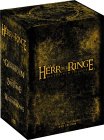 Ich habe lange überlegt,
ob und wie ich diese Rezension schreiben soll, denn ich weiß nicht
wirklich ob sich so etwas schönes überhaupt in Worte fassen
lässt. Aber ich kann es ja mal versuchen.
Ich habe lange überlegt,
ob und wie ich diese Rezension schreiben soll, denn ich weiß nicht
wirklich ob sich so etwas schönes überhaupt in Worte fassen
lässt. Aber ich kann es ja mal versuchen.
Das die Kinofilme schon genial waren, ist glaube ich, keine Diskussion
wert. Was in der SEE-Version noch dazu kommt ist keineswegs Abfall, der
nicht gut genug fürs Kino ist, wie ich schon von vielen Seiten hörte.
Man erfährt nicht nur mehr von den Hauptpersonen, sondern auch vieles,
das die Story abrundet und Verfeinert. So kommt sie schon fast an das
Buch heran, doch wer das gelesen hat, (wie ich), der weiß, das dieses
sowieso nicht möglich ist. Wer das Buch noch nicht gelesen hat, erfreut
an sehr viel neuen oder erweiterten Dialogen, längeren Kampfszenen
und neuen Effekten, die in der Kinoversion verborgen blieben. Am genialsten
gelungen ist wohl der dritte Teil der SEE-Box, der in der Kinoversion
oft unrund und an manchen Stellen abgehackt erschien. Aber auch die ersten
beiden Teile sind einfach absolut klasse gelungen. Die hinzugefügten,
oder erweiteren Szenen zu beschreiben, würde wohl den Rahmen der
Rezension sprengen. Ebenfalls ein absolutes Highlight ist das Bonusmaterial,
das im Gegensatz zu den normalen DVD`s, ebenfalls um sehr Vieles erweitert
wurde, das die Filmemacher uns schuldig blieben. Ein absolutes Muss für
jeden Fan!!! --Sabine Neusuess--
Die deutschsprachigen
Filme bestellen bei Amazon.de
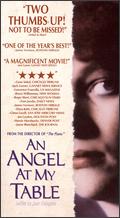 Wenn
man die Autobioraphie von Janet Frame gelesen hat, wird man den Film lieben.
Janet Frame eine Außenseiterin, schüchtern, mit roten Haaren
und schlechten Zähnen, angewidert von der Realität, flüchtet
sich in ihre Traumwelt und Bücherwelt, und träumt davon Schrifstellerin
zu werden. Doch die "normalen", harten Menschen um sie, nehmen
sie nicht ernst und raten ihr, von ihren hochgesteckten Zielen Abschied
zu nehmen. Vor allem der Schauspielerin möchte ich ein großes
Lob sagen, keine andere hätte die erwachsene Janet Frame besser dargestellt
als sie. Die Botschaft dieses Films ist, seine Individualität trotz
der Hindernisse die man uns stellt, trotz der vielen Menschen die Menschen
in "normale" und "anormale" einteilen, auszuleben
und an seinen Träumen, auch wenn es scheinbar aussichtslos ist, festzuhalten.
Janet Frame tat es und sie hat es geschafft
Wenn
man die Autobioraphie von Janet Frame gelesen hat, wird man den Film lieben.
Janet Frame eine Außenseiterin, schüchtern, mit roten Haaren
und schlechten Zähnen, angewidert von der Realität, flüchtet
sich in ihre Traumwelt und Bücherwelt, und träumt davon Schrifstellerin
zu werden. Doch die "normalen", harten Menschen um sie, nehmen
sie nicht ernst und raten ihr, von ihren hochgesteckten Zielen Abschied
zu nehmen. Vor allem der Schauspielerin möchte ich ein großes
Lob sagen, keine andere hätte die erwachsene Janet Frame besser dargestellt
als sie. Die Botschaft dieses Films ist, seine Individualität trotz
der Hindernisse die man uns stellt, trotz der vielen Menschen die Menschen
in "normale" und "anormale" einteilen, auszuleben
und an seinen Träumen, auch wenn es scheinbar aussichtslos ist, festzuhalten.
Janet Frame tat es und sie hat es geschafft
Originally commissioned as
a miniseries for New Zealand television, Jane Campion's sophomore directorial
effort is a sprawling adaptation of the memoirs of author and poet Janet
Frame, whose budding talents as a young writer were squelched by her community's
— and at times, even her own — conviction that she be institutionalized.
The film is as much a chronicle of one woman's changing emotional landscape
as it is an expose of the sordid conditions of the country's psychiatric
hospitals of the '50s, where Frame was left to languish until her writings
attracted the attention of influential writers and editors. The perennially
reliable character actress Kerry Fox established herself in the role of
the adult Frame, and she delivers delicate, carefully modulated emotion
beneath Frame's trademark shock of red hair. The film bears more than
a passing resemblance to later "institutionalized genius" pictures
(most notably 1996's Shine), but Campion avoids letting her subject become
a mere martyr; there are incidents in which Frame exercises bad judgement,
and her transition to the life of a successful, independent woman is a
shaky, apprehensive one. As is common in Campion's films, however, the
director seems to be outlining a larger social pathology behind her heroine's
insecurity and pathos. Angel marked the beginning of the director's kinetic,
distinctive work with cinematographer Stuart Dryburgh, who would also
shoot The Piano and Portrait of a Lady. — Michael Hastings
Den englischen Film
bestellen bei Amazon.de
Director: Peter Jackson
Producer: Jim Booth
Screenwriter: Peter Jackson, Frances Walsh
Stars: Melanie Lynskey, Kate Winslet, Sarah Peirse, Diana Kent, Clive
Merrison, Simon O'Connor
MPAA Rating: R
Year of Release: 1994
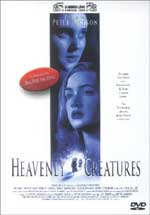 Das
aufwühlende Drama Heavenly Creatures vom neuseeländischen Regisseur
Peter Jackson (Der Herr der Ringe) ist ein höchst originelles Kinoerlebnis,
das auf einem tatsächlichen Fall basiert. Die Geschichte dreht sich
um zwei Mädchen -- Außenseiter, die zu besten Freundinnen werden
-- und deren bizarres Fantasieleben, das sich zunehmend intensiviert,
wie auch ihre Bindung zueinander immer zwanghafter wird. Als die Mutter
der einen einschreitet und versucht die Mädchen zu trennen, bringen
diese sie um und landen schließlich wegen Mordes vor Gericht.
Das
aufwühlende Drama Heavenly Creatures vom neuseeländischen Regisseur
Peter Jackson (Der Herr der Ringe) ist ein höchst originelles Kinoerlebnis,
das auf einem tatsächlichen Fall basiert. Die Geschichte dreht sich
um zwei Mädchen -- Außenseiter, die zu besten Freundinnen werden
-- und deren bizarres Fantasieleben, das sich zunehmend intensiviert,
wie auch ihre Bindung zueinander immer zwanghafter wird. Als die Mutter
der einen einschreitet und versucht die Mädchen zu trennen, bringen
diese sie um und landen schließlich wegen Mordes vor Gericht.
Der in der Öffentlichkeit
intensiv verfolgte Fall ist bis heute umstritten. Kate Winslet (Titanic)
und Melanie Lynskey haben mit ihren fesselnden Darbietungen zwei sympathische
und doch beklemmend unheimliche Charaktere geschaffen. Heavenly Creatures
wartet mit einigen aufregenden und einzigartigen Momenten optischer Brillanz
und einer unheimlichen Liebesgeschichte auf und ist zugleich beunruhigend
und wunderschön anzusehen. --Robert Lane
Diesen englischen Film in Deutschland bestellen bei Amazon.de
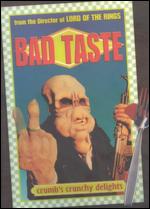 Extraterrestrial
fast-food franchisers come to earth to pick up food supplies-in this case,
human flesh. After wiping out a few small towns, the aliens must contend
with a team of government assassins, headed by Pete O'Herne. As the plot
rolls on, O'Herne's crew is decimated in as gory a manner as possible,
and innocent bystander Craig Smith ends up being marinated (and a darned
good job it is). Turns out that the space folks are running on a timetable;
they've got to return to their home planet with their human-hash cargo
before a rival franchise puts them out of business. — Hal Erickson
Extraterrestrial
fast-food franchisers come to earth to pick up food supplies-in this case,
human flesh. After wiping out a few small towns, the aliens must contend
with a team of government assassins, headed by Pete O'Herne. As the plot
rolls on, O'Herne's crew is decimated in as gory a manner as possible,
and innocent bystander Craig Smith ends up being marinated (and a darned
good job it is). Turns out that the space folks are running on a timetable;
they've got to return to their home planet with their human-hash cargo
before a rival franchise puts them out of business. — Hal Erickson
Diesen englisch Film in Deutschland bestellen bei Amazon.de
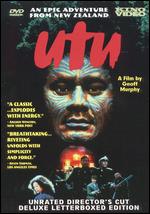 Utu
is the Maori word for "Retribution," which sums up the chief
motivating factor of this New Zealand-produced drama. Set in the 1870s,
the film details the exigencies of British Colonial rule. A Maori scout
Anzac Wallace stumbles across a native village that has been destroyed
in a British raid. Since it is the scout's own village, he deserts the
British army, the better to seek "utu." Leading a vigilante
force consisting of his fellow Maoris, Wallace kills as many British settlers
as he can get his hands on. The feverish conviction of Wallace's crusade
is in stark contrast to the attitudes of the British, who seem more concerned
with material possessions than with human beings. Popular "down under"
star Bruno Lawrence is cast as a vengeance-driven settler who makes it
his personal mission in life to end Wallace's reign of terror. The most
expensive New Zealand-filmed project to date, Utu was an enormous success
upon its first domestic release; the American version runs some 15 minutes
shorter than the original. — Hal Erickson
Utu
is the Maori word for "Retribution," which sums up the chief
motivating factor of this New Zealand-produced drama. Set in the 1870s,
the film details the exigencies of British Colonial rule. A Maori scout
Anzac Wallace stumbles across a native village that has been destroyed
in a British raid. Since it is the scout's own village, he deserts the
British army, the better to seek "utu." Leading a vigilante
force consisting of his fellow Maoris, Wallace kills as many British settlers
as he can get his hands on. The feverish conviction of Wallace's crusade
is in stark contrast to the attitudes of the British, who seem more concerned
with material possessions than with human beings. Popular "down under"
star Bruno Lawrence is cast as a vengeance-driven settler who makes it
his personal mission in life to end Wallace's reign of terror. The most
expensive New Zealand-filmed project to date, Utu was an enormous success
upon its first domestic release; the American version runs some 15 minutes
shorter than the original. — Hal Erickson
Diesen englisch sprachigen Film bestellen bei Amazon.com
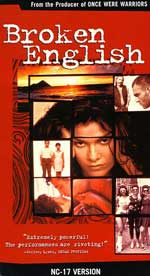 Croatian
born NINA (Aleksandra Vujcic) escapes with her family from their war ravaged
homeland to the culturally mixed suburbs of Auckland, New Zealand. Smothered
by the controlling love of her volatile father, IVAN (Rade Serbedzija),
Nina finds tender romance when she falls in love with EDDIE (Julian Arahanga),
a New Zealand native (Maori). Frustrated, Nina knows there is no chance
that she and Eddie can afford to start their own life together, until
she's offered a large sum of money to marry Chinese political refugee,
WU, thus allowing him resident status. Ivan learns of Nina's marriage
of convenience and is further enraged when he discovers Nina is pregnant
with Eddie's child. Desperate to reassert his control over her, Ivan risks
alienating his entire family when he tries to tear Nina away from the
man she truly loves.
Croatian
born NINA (Aleksandra Vujcic) escapes with her family from their war ravaged
homeland to the culturally mixed suburbs of Auckland, New Zealand. Smothered
by the controlling love of her volatile father, IVAN (Rade Serbedzija),
Nina finds tender romance when she falls in love with EDDIE (Julian Arahanga),
a New Zealand native (Maori). Frustrated, Nina knows there is no chance
that she and Eddie can afford to start their own life together, until
she's offered a large sum of money to marry Chinese political refugee,
WU, thus allowing him resident status. Ivan learns of Nina's marriage
of convenience and is further enraged when he discovers Nina is pregnant
with Eddie's child. Desperate to reassert his control over her, Ivan risks
alienating his entire family when he tries to tear Nina away from the
man she truly loves.
Diesen englisch sprachigen Film bestellen bei Amazon.com
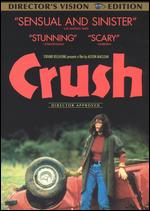 Alison
Maclean's Crush is an enjoyably twisted psychological thriller of obsession,
jealousy, and revenge. From the opening moments of the film, it's apparent
that Lane (Marcia Gay Harden) is trouble. As she speeds along a winding
road, her companion, Christina (Donogh Rees), explains that the New Zealand
countryside is a "totally benign environment," unlike Australia
with its snakes or dangerous animals, and that one really has to search
to "uncover the evil." After the car accident, in which Christina
is critically injured, Lane stumbles out of the flipped-over car, picks
up the side view mirror from the ground, and examines her own minor injury.
Thus, Maclean cleverly hints at how wrong Christina's pronouncement was.
The evil may not be so difficult to uncover. Harden's performance is pivotal
to the film. She makes Lane a very believable character. Lane is obviously
driven by her animal impulses, but she often seems remorseful about the
distress she causes, and her remorse is as real as her passion. That gives
her complexity and makes her more a tragic heroine than a villain. The
supporting cast is also very strong, creating essentially decent characters
whose very human weaknesses cause their destructive behavior. For example,
it's easy to understand why Angela (Caitlin Bossley) is first attracted
to, and then resentful of Lane, and how that resentment, combined with
the socially awkward teen's loneliness, leads her down a dark path. The
gruesomely realistic makeup job makes Christina's once beautiful face
difficult to look at, and as she recovers and begins to look like herself,
the brain damage caused by her head injury still makes her a haunted and
unpredictable presence. Crush has its suspenseful moments, and plenty
of dark humor, but it's really a creepily effective character study. It
gets under your skin. — Josh Ralske
Alison
Maclean's Crush is an enjoyably twisted psychological thriller of obsession,
jealousy, and revenge. From the opening moments of the film, it's apparent
that Lane (Marcia Gay Harden) is trouble. As she speeds along a winding
road, her companion, Christina (Donogh Rees), explains that the New Zealand
countryside is a "totally benign environment," unlike Australia
with its snakes or dangerous animals, and that one really has to search
to "uncover the evil." After the car accident, in which Christina
is critically injured, Lane stumbles out of the flipped-over car, picks
up the side view mirror from the ground, and examines her own minor injury.
Thus, Maclean cleverly hints at how wrong Christina's pronouncement was.
The evil may not be so difficult to uncover. Harden's performance is pivotal
to the film. She makes Lane a very believable character. Lane is obviously
driven by her animal impulses, but she often seems remorseful about the
distress she causes, and her remorse is as real as her passion. That gives
her complexity and makes her more a tragic heroine than a villain. The
supporting cast is also very strong, creating essentially decent characters
whose very human weaknesses cause their destructive behavior. For example,
it's easy to understand why Angela (Caitlin Bossley) is first attracted
to, and then resentful of Lane, and how that resentment, combined with
the socially awkward teen's loneliness, leads her down a dark path. The
gruesomely realistic makeup job makes Christina's once beautiful face
difficult to look at, and as she recovers and begins to look like herself,
the brain damage caused by her head injury still makes her a haunted and
unpredictable presence. Crush has its suspenseful moments, and plenty
of dark humor, but it's really a creepily effective character study. It
gets under your skin. — Josh Ralske
 The
Citizen Kane of Oedipal zombie-cannibal-right to death-comedy-love stories.
Kiwi auteur Peter Jackson -- best known stateside as the maniac behind
the Muppet-perversion Meet the Feebles -- takes the shopworn flesh-eating
zombie genre by its rotting horns, adds a dash of Monty Python, and comes
up with a film so gleefully over-the-top that it's decidedly hard not
to gag while you're laughing yourself incontinent. Rivers of gore, entrails,
and ambulating body parts surround poor nebbish Lionel (Balme), a mama's
boy whose mama (Moody) just happens to have been bitten by a Sumatran
Rat Monkey and consequently degenerates into a flesh-hungry omnivore with
a keen knack for oozing pus in front of the houseguests. Before you can
say George Romero, she's snacking on the neighbors, and Lionel's up to
his neck in overly-mobile cadavers. Though he tries valiantly to keep
them sedated (with a big jar of “Sedative,” natch), it's not
long before all hell breaks loose in a 30-minute climax that makes Re-Animator
look like Captain Kangaroo on a bad hair day. Add to this Lionel's newfound
love interest, Paquita (Penalver), his scheming uncle Les (Watkin), and
a zombie infant that makes abortion seem like a really, really good idea,
and you have quite literally the most disgusting comedy ever. Jackson,
obviously aware of the cliché-ridden dangers of “horror comedies,”
chucks convention and good taste out the window and goes for the gusto
(or is that “gutso”?) with uncanny results. The film moves from
gag to gore to gag again like a rocket from the crypt and never lets up
-- just when you think you've seen the worst, Jackson tops himself and
there you are squirming in your seat again (and loving every minute of
it). Sick. Perverse. Brilliant.
The
Citizen Kane of Oedipal zombie-cannibal-right to death-comedy-love stories.
Kiwi auteur Peter Jackson -- best known stateside as the maniac behind
the Muppet-perversion Meet the Feebles -- takes the shopworn flesh-eating
zombie genre by its rotting horns, adds a dash of Monty Python, and comes
up with a film so gleefully over-the-top that it's decidedly hard not
to gag while you're laughing yourself incontinent. Rivers of gore, entrails,
and ambulating body parts surround poor nebbish Lionel (Balme), a mama's
boy whose mama (Moody) just happens to have been bitten by a Sumatran
Rat Monkey and consequently degenerates into a flesh-hungry omnivore with
a keen knack for oozing pus in front of the houseguests. Before you can
say George Romero, she's snacking on the neighbors, and Lionel's up to
his neck in overly-mobile cadavers. Though he tries valiantly to keep
them sedated (with a big jar of “Sedative,” natch), it's not
long before all hell breaks loose in a 30-minute climax that makes Re-Animator
look like Captain Kangaroo on a bad hair day. Add to this Lionel's newfound
love interest, Paquita (Penalver), his scheming uncle Les (Watkin), and
a zombie infant that makes abortion seem like a really, really good idea,
and you have quite literally the most disgusting comedy ever. Jackson,
obviously aware of the cliché-ridden dangers of “horror comedies,”
chucks convention and good taste out the window and goes for the gusto
(or is that “gutso”?) with uncanny results. The film moves from
gag to gore to gag again like a rocket from the crypt and never lets up
-- just when you think you've seen the worst, Jackson tops himself and
there you are squirming in your seat again (and loving every minute of
it). Sick. Perverse. Brilliant.
Dead Alive
Year Released: 1992
Directed By: Peter Jackson
Starring: Elizabeth Moody, Ian Watkin, Diana Penalver, Timothy Balme
(NR, 97 min.)
Diesen englische sprachigen Film bestellen bei Amazon.com
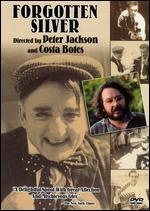 When
Forgotten Silver was first shown on New Zealand television, it sparked
a minor scandal when some viewers discovered that the film's protagonist,
pioneering Kiwi filmmaker Colin McKenzie, didn't really exist, leading
some wags to denounce director Peter Jackson as the perpetrator of a fraud,
which speaks volumes about just how well executed a satire Forgotten Silver
is — it's one of the most accomplished mock documentaries ever made,
flawlessly re-creating "long lost" bits of silent cinema as
well as offering a superbly deadpan spoof of television documentaries.
While Peter Jackson's oddball humor provided a welcome subtext in horror
films like Brain Dead and The Frighteners, here his sly wit is brought
to the forefront, and if Forgotten Silver never clearly presents itself
as a joke, in many ways that just makes it more potent as it bears the
ring of possible truth. Jackson and co-director Costa Botes are also ably
assisted by their crew (especially cameraman Alun Bollinger, who is asked
to emulate nearly 80 years of cinematography technique and never misses
a trick) and the cast (the actors in the silent segments capture the broad
histrionics of D.W. Griffith-era filmmaking with commendable accuracy,
and the contemporary interview subjects hit their marks just right). Forgotten
Silver is crafted with so much attention to detail that it takes a fairly
committed film buff to see through the surface and catch all the jokes,
but anyone who loves movies will delight in it — and if you take
it at face value, it's still a fascinating story about a truly remarkable
man. — Mark Deming
When
Forgotten Silver was first shown on New Zealand television, it sparked
a minor scandal when some viewers discovered that the film's protagonist,
pioneering Kiwi filmmaker Colin McKenzie, didn't really exist, leading
some wags to denounce director Peter Jackson as the perpetrator of a fraud,
which speaks volumes about just how well executed a satire Forgotten Silver
is — it's one of the most accomplished mock documentaries ever made,
flawlessly re-creating "long lost" bits of silent cinema as
well as offering a superbly deadpan spoof of television documentaries.
While Peter Jackson's oddball humor provided a welcome subtext in horror
films like Brain Dead and The Frighteners, here his sly wit is brought
to the forefront, and if Forgotten Silver never clearly presents itself
as a joke, in many ways that just makes it more potent as it bears the
ring of possible truth. Jackson and co-director Costa Botes are also ably
assisted by their crew (especially cameraman Alun Bollinger, who is asked
to emulate nearly 80 years of cinematography technique and never misses
a trick) and the cast (the actors in the silent segments capture the broad
histrionics of D.W. Griffith-era filmmaking with commendable accuracy,
and the contemporary interview subjects hit their marks just right). Forgotten
Silver is crafted with so much attention to detail that it takes a fairly
committed film buff to see through the surface and catch all the jokes,
but anyone who loves movies will delight in it — and if you take
it at face value, it's still a fascinating story about a truly remarkable
man. — Mark Deming
Diesen englisch sprachigen Film bei bestellen bei Amazon.com
 A
group of six British youths must deal with the accidental death of one
of their members during a weekend outing in this British drama. The main
character is Neil who goes to meet his buddies at a country house to make
a film. Included in the group are Rose, his girlfriend, Zita, a strong,
young black woman, Giles who is into psychopaths, Lance and his girlfriend
Charlotte, and finally Lionel who wants this film to be his calling card
into the world of cinema. Things are fine until, after dropping some acid,
Neil and Lance accidentally run over Lionel on their way to get cigarettes.
The group decides to bury the body in the forest. — Sandra Brennan
A
group of six British youths must deal with the accidental death of one
of their members during a weekend outing in this British drama. The main
character is Neil who goes to meet his buddies at a country house to make
a film. Included in the group are Rose, his girlfriend, Zita, a strong,
young black woman, Giles who is into psychopaths, Lance and his girlfriend
Charlotte, and finally Lionel who wants this film to be his calling card
into the world of cinema. Things are fine until, after dropping some acid,
Neil and Lance accidentally run over Lionel on their way to get cigarettes.
The group decides to bury the body in the forest. — Sandra Brennan
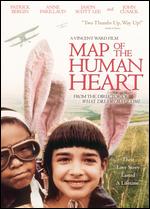 A
white, Inuit boy named Avik is the focus of New Zealand director Vincent
Ward's meditation on race and romance. In the opening moments of the movie,
set in 1931 in the Arctic-Canadian settlement Nunataaq, Avik (portrayed
initially by Robert Joamie) lives under the watchful eye of his grandmother
(Jayko Pitseolak). While tagging along after British cartographer Walter
Russell (Patrick Bergin), Avik falls prey to the "white man's disease,"—tuberculosis;
to assuage his own guilt, Russell takes the boy to a Montreal clinic to
recover. There, Avik meets Albertine, a mixed-blood Indian girl, and the
two fall in love, but their relationship is quickly broken up by the Mother
Superior who is in charge of the clinic. Years later, Avik again meets
Russell, who this time is on a mission to recover the German U-boat lying
wrecked off the coast of Nunataaq. Avik asks for Russell's help in learning
the whereabouts of Albertine, and he gives the cartographer a chest X-ray
of the girl which he has carried with him since their separation. More
time elapses, and Avik (now played by Jason Scott Lee) has become a British
bombardier fighting in World War II. He is sought out by Albertine (Anne
Parillaud), who has become Russell's mistress. Still, she begins an affair
with Avik; Russell soon finds out, and as revenge sends Avik and his crew
on a suicide mission of which Avik is the lone survivor. Despondent over
his war experiences, Avik flees to Canada, where he becomes an alcoholic;
decades later, he is sought out by Rainee (Clotilde Courau), the daughter
born from his affair with Albertine. On his way to the girl's wedding,
Avik is killed in an accident; his body washes up on the beach at Nunataaq,
a wedding gift still clutched in his arms. — Jason Ankeny
A
white, Inuit boy named Avik is the focus of New Zealand director Vincent
Ward's meditation on race and romance. In the opening moments of the movie,
set in 1931 in the Arctic-Canadian settlement Nunataaq, Avik (portrayed
initially by Robert Joamie) lives under the watchful eye of his grandmother
(Jayko Pitseolak). While tagging along after British cartographer Walter
Russell (Patrick Bergin), Avik falls prey to the "white man's disease,"—tuberculosis;
to assuage his own guilt, Russell takes the boy to a Montreal clinic to
recover. There, Avik meets Albertine, a mixed-blood Indian girl, and the
two fall in love, but their relationship is quickly broken up by the Mother
Superior who is in charge of the clinic. Years later, Avik again meets
Russell, who this time is on a mission to recover the German U-boat lying
wrecked off the coast of Nunataaq. Avik asks for Russell's help in learning
the whereabouts of Albertine, and he gives the cartographer a chest X-ray
of the girl which he has carried with him since their separation. More
time elapses, and Avik (now played by Jason Scott Lee) has become a British
bombardier fighting in World War II. He is sought out by Albertine (Anne
Parillaud), who has become Russell's mistress. Still, she begins an affair
with Avik; Russell soon finds out, and as revenge sends Avik and his crew
on a suicide mission of which Avik is the lone survivor. Despondent over
his war experiences, Avik flees to Canada, where he becomes an alcoholic;
decades later, he is sought out by Rainee (Clotilde Courau), the daughter
born from his affair with Albertine. On his way to the girl's wedding,
Avik is killed in an accident; his body washes up on the beach at Nunataaq,
a wedding gift still clutched in his arms. — Jason Ankeny
Diesen englischen Film bestellen bei Amazon.com
 This
modest Australian fantasy stars Hamish McFarlane as a young 14th Century
boy with acute psychic powers. During the period of the Black Death, Hamish
believes that he can rescue his fellow villagers by leading them into
an abandoned mine. The fugitives tunnel their way through the darkness
and emerge on the other side—into a bustling New Zealand metropolis
in the year 1988. The phenomenon is seen from the point of view of the
"aliens," to whom every modern convenience and invention is
a miracle comparable to the Resurrection. The Navigator: A Medieval Odyssey
successfully creates and sustains its own logic, framing the story in
the linear form of an ancient legend, and never treating the bedazzled
time-travellers in a condescending manner. — Hal Erickson
This
modest Australian fantasy stars Hamish McFarlane as a young 14th Century
boy with acute psychic powers. During the period of the Black Death, Hamish
believes that he can rescue his fellow villagers by leading them into
an abandoned mine. The fugitives tunnel their way through the darkness
and emerge on the other side—into a bustling New Zealand metropolis
in the year 1988. The phenomenon is seen from the point of view of the
"aliens," to whom every modern convenience and invention is
a miracle comparable to the Resurrection. The Navigator: A Medieval Odyssey
successfully creates and sustains its own logic, framing the story in
the linear form of an ancient legend, and never treating the bedazzled
time-travellers in a condescending manner. — Hal Erickson
Diesen Englisch sprachigen Film bestellen bei Amazon.com
by Peter Calder
Rating: * * * * *
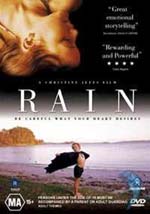 Saturated
with an intoxicating blend of regret and danger and driven by two of the
finest child performances you'll see anywhere, the debut feature by one
of this country's most highly regarded directors of commercials is a work
of considerable mastery, ravishing to look at and rich in its sense of
place.
Saturated
with an intoxicating blend of regret and danger and driven by two of the
finest child performances you'll see anywhere, the debut feature by one
of this country's most highly regarded directors of commercials is a work
of considerable mastery, ravishing to look at and rich in its sense of
place.
Jeffs, the eye behind the Xenical campaign and many of the road-safety ads, moves the setting of the 1994 Kirsty Gunn novel on which the film is based from Lake Taupo to a beach near Mahurangi.
Here the waves lap gently, but beneath the lazy rhythms of the holiday there's a storm brewing in the family whose 13-year-old daughter Janey (Fulford-Wierzbicki) is the story's narrator and narrative dynamo.
As Janey's mother Kate (Peirse) and father Ed (Browning) drink with a fearsome single-mindedness - apart, never together - on the back lawn, she looks after her little brother Jim (Murphy). And as the adults party through the warm nights, Janey is watching.
Into this rather unstable environment comes Cady (Csokas), a itinerant boatie and photographer, who excites the simultaneous interest of mother and daughter.
Jeffs teases out the emotional complexities of what follows with enormous assurance, extracting from her cast of five performances of seamless authenticity.
Minutely examined, the family seems sealed in a suffocating cocoon of its own making (the screen is crammed at times with extras, but none has a line to speak and their presence only serves to underline the family's isolation).
Fulford-Wierzbicki and Murphy are beyond praise, managing to be both guileless and laden with foreboding. The elder effortlessly carries the dramatic burden of the story on her slight shoulders without a trace of showiness or self-regard, and around the edges of Murphy's cheerful self-absorption there leaks a sense both of puzzlement and certainty about the unfolding disaster.
The adults, meanwhile, move in their own worlds, separate from the children and each other. When Janey asks to wear one of her mother's dresses and Kate's only response is to correct her daughter's "can" to "may", what's plain to us eludes her entirely: that Janey is heading too fast into adulthood and her mother is leading her.
Peirse, faintly loopy with longing, captures perfectly a woman seized by the sense that life is passing her by as she makes fitful attempts at domesticity and excuses each bourbon-soaked afternoon as "a quiet day". Browning, meanwhile, exudes a decency so simple and helpless that his key line, "I'm a failure", is a moment of pure heartbreak and Csokas makes a good fist of what is ultimately a peripheral role.
The film looks splendid as well. Working with cinematographer John Toon, Jeffs lights the locations like a dreamscape - the setting is 1972 but it could be any time since the 1950s. It's hard to think of a more accomplished debut, or deny that this is the best Kiwi film in the thick end of a decade. Do not miss it.
Diesen englischsprachigen Film bestellen bei Amazon.com
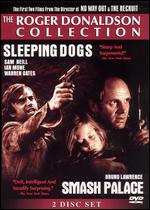 Director
Roger Donaldson's directorial debut was also a breakthrough film for New
Zealand filmmakers, being the first film from New Zealand to open in the
United States. Sam Neill stars as a man named Smith who lives in a near
future of economic collapse in New Zealand. Smith is a husband who discovers
that his wife has been having an affair. Unable to deal with it, he decides
to move out and live by himself. But the precarious political chaos in
New Zealand has created a right wing backlash, with repressive government
forces murdering opponents to the government's policies. Smith finds himself
joining a group of freedom fighters that sets out to preserve democracy.
Opposing Smith and the freedom fighters are the government thugs and an
apolitical soldier of fortune named Willoughby (Warren Oates). —
Paul Brenner
Director
Roger Donaldson's directorial debut was also a breakthrough film for New
Zealand filmmakers, being the first film from New Zealand to open in the
United States. Sam Neill stars as a man named Smith who lives in a near
future of economic collapse in New Zealand. Smith is a husband who discovers
that his wife has been having an affair. Unable to deal with it, he decides
to move out and live by himself. But the precarious political chaos in
New Zealand has created a right wing backlash, with repressive government
forces murdering opponents to the government's policies. Smith finds himself
joining a group of freedom fighters that sets out to preserve democracy.
Opposing Smith and the freedom fighters are the government thugs and an
apolitical soldier of fortune named Willoughby (Warren Oates). —
Paul Brenner
Diesen englisch sprachigen Film bestellen bei Amazon.com
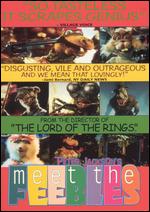 Poor
taste is a something easy to achieve on screen, but difficult to do truly
artfully. Beyond the work of John Waters (who has made bad taste his raison
d'être), one would be hard pressed to find a better example of the
creative pinnacle of being gleefully foul than Peter Jackson's "puppets
gone to Hell" gross-out comedy, Meet the Feebles. While Meet the
Feebles has enough gory violence, icky bodily substances, cross-species
sexual contact, foul language, and unapologetic criminality to appall
most ordinary audiences (and, as legend has it, to cause Jim Henson's
organization to consider possible legal action), the film is far too imaginative
and intelligent to sit comfortably alongside, say, Shallow Hal or American
Pie. Wynard the Frog's Vietnam flashbacks are both wickedly funny and
more politically astute than anything in The Deer Hunter, Harry the Rabbit's
extended bout with a sexually transmitted disease is a more honest and
gut-wrenching depiction of AIDS than you'll see in most major studio films
concerning the subject, and the numerous sexual peccadilloes and flagrant
infidelities go past soap-opera level into something that approximates
real human anger and anguish, albeit on a broadly comic level. And the
sheer scale of the film goes beyond the parameters of a simple bad joke
into something that inspires a sort of grimy awe. If you've read this
far, you've probably already figured out that Meet the Feebles is not
for everyone, but it's a superb slice of wickedly black satire for folks
who like their humor to burn a bit on the way down. — Mark Deming
Poor
taste is a something easy to achieve on screen, but difficult to do truly
artfully. Beyond the work of John Waters (who has made bad taste his raison
d'être), one would be hard pressed to find a better example of the
creative pinnacle of being gleefully foul than Peter Jackson's "puppets
gone to Hell" gross-out comedy, Meet the Feebles. While Meet the
Feebles has enough gory violence, icky bodily substances, cross-species
sexual contact, foul language, and unapologetic criminality to appall
most ordinary audiences (and, as legend has it, to cause Jim Henson's
organization to consider possible legal action), the film is far too imaginative
and intelligent to sit comfortably alongside, say, Shallow Hal or American
Pie. Wynard the Frog's Vietnam flashbacks are both wickedly funny and
more politically astute than anything in The Deer Hunter, Harry the Rabbit's
extended bout with a sexually transmitted disease is a more honest and
gut-wrenching depiction of AIDS than you'll see in most major studio films
concerning the subject, and the numerous sexual peccadilloes and flagrant
infidelities go past soap-opera level into something that approximates
real human anger and anguish, albeit on a broadly comic level. And the
sheer scale of the film goes beyond the parameters of a simple bad joke
into something that inspires a sort of grimy awe. If you've read this
far, you've probably already figured out that Meet the Feebles is not
for everyone, but it's a superb slice of wickedly black satire for folks
who like their humor to burn a bit on the way down. — Mark Deming
Den englischsprachigen Film bestellen bei Amazon.com
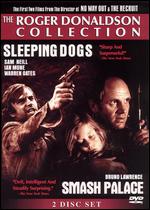 A
key entry in the "renaissance" of the New Zealand film industry,
Smash Palace stars Bruno Lawrence as an ex-racing champ. Returning home
to take over his late father's business, Lawrence finds that his sophisticated
European wife Anna Jemison is bored beyond measure at her new existence.
She throws him over in favor of his best friend, policeman Keith Aberdein.
Lawrence might have been able to weather his wife's leaving him, but it
is too much to bear when she takes their daughter with her. Shoved over
the edge, Lawrence kidnaps the child, precipitating a grueling cross-country
chase. Co-written by star Bruno Lawrence, Smash Palace was garlanded with
praise from some of the world's most influential film critics. It's not
that good, but it certainly holds one's rapt attention from start to finish.
— Hal Erickson
A
key entry in the "renaissance" of the New Zealand film industry,
Smash Palace stars Bruno Lawrence as an ex-racing champ. Returning home
to take over his late father's business, Lawrence finds that his sophisticated
European wife Anna Jemison is bored beyond measure at her new existence.
She throws him over in favor of his best friend, policeman Keith Aberdein.
Lawrence might have been able to weather his wife's leaving him, but it
is too much to bear when she takes their daughter with her. Shoved over
the edge, Lawrence kidnaps the child, precipitating a grueling cross-country
chase. Co-written by star Bruno Lawrence, Smash Palace was garlanded with
praise from some of the world's most influential film critics. It's not
that good, but it certainly holds one's rapt attention from start to finish.
— Hal Erickson
Diesen englischsprachigen Film bestellen bei Amazon.com
What Becomes of the Broken Hearted?
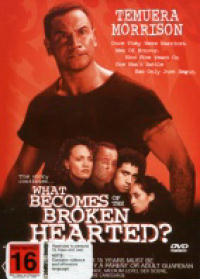 The
1994 drama Once Were Warriors told a sad but compelling tale of violence
and alcoholism in New Zealand's Maori community, and What Becomes of the
Broken Hearted? picks up the story several years later, though the focus
is less on an individual family than the spread of gang warfare among
the modern-day Maori. Jake and Beth Heke (Temuera Morrison and Rena Owen),
the combative couple in the first film, have now split up, Beth having
lost her patience with Jake's alcoholism and violent temper. Beth has
moved on and lives with her new boyfriend, and while Jake also has a new
relationship, his binge drinking and violence have continued unabated.
Jake's eldest son, Nig (Julian Arahanga) has fared little better in life,
and dies in a fight with a member of a rival gang. At Nig's funeral, Jake
is confronted by Beth and his younger son, Sonny (Clint Eruera), who feels
Jake abandoned his family and doesn't mind telling him so. Sonny decides
he must avenge Nig's death and joins forces with Nig's girlfriend Tania
(Nancy Brunning) and his pal Mookie (Tammy Davis) to exact their own kind
of justice. However, an unpleasant run-in with the Black Snakes gang only
earns them more enemies. Jake, meanwhile, is dropped by his girlfriend
and sinks even deeper into the abyss of his demons. What Becomes of the
Broken Hearted? was directed by Ian Mune, continuing the story begun by
filmmaker Lee Tamahori. ~ Mark Deming, All Movie Guide
The
1994 drama Once Were Warriors told a sad but compelling tale of violence
and alcoholism in New Zealand's Maori community, and What Becomes of the
Broken Hearted? picks up the story several years later, though the focus
is less on an individual family than the spread of gang warfare among
the modern-day Maori. Jake and Beth Heke (Temuera Morrison and Rena Owen),
the combative couple in the first film, have now split up, Beth having
lost her patience with Jake's alcoholism and violent temper. Beth has
moved on and lives with her new boyfriend, and while Jake also has a new
relationship, his binge drinking and violence have continued unabated.
Jake's eldest son, Nig (Julian Arahanga) has fared little better in life,
and dies in a fight with a member of a rival gang. At Nig's funeral, Jake
is confronted by Beth and his younger son, Sonny (Clint Eruera), who feels
Jake abandoned his family and doesn't mind telling him so. Sonny decides
he must avenge Nig's death and joins forces with Nig's girlfriend Tania
(Nancy Brunning) and his pal Mookie (Tammy Davis) to exact their own kind
of justice. However, an unpleasant run-in with the Black Snakes gang only
earns them more enemies. Jake, meanwhile, is dropped by his girlfriend
and sinks even deeper into the abyss of his demons. What Becomes of the
Broken Hearted? was directed by Ian Mune, continuing the story begun by
filmmaker Lee Tamahori. ~ Mark Deming, All Movie Guide
Topless Women Talk About Their Lives
 A
budding, if a bit loony, young screenwriter Ant, is told, by his women
friends, that his latest effort is worthless, and is tossed onto beach
at Piha. It is picked up by a visiting German who takes it back to a German
screenwriter, and it becomes 'Topless Women Talk About Their Lives'. Liz
is pregnant, but she has split up with the father whom she doesn't love
(and vice versa) and is now with cute but vapid Geoff. This is a film
with characters mostly in their late twenties, zany and full of fumbling
- mostly when it comes to sex. The ending will have you wondering if the
plot is turning dark, but I will only say that it doesn't. Recommended.
A
budding, if a bit loony, young screenwriter Ant, is told, by his women
friends, that his latest effort is worthless, and is tossed onto beach
at Piha. It is picked up by a visiting German who takes it back to a German
screenwriter, and it becomes 'Topless Women Talk About Their Lives'. Liz
is pregnant, but she has split up with the father whom she doesn't love
(and vice versa) and is now with cute but vapid Geoff. This is a film
with characters mostly in their late twenties, zany and full of fumbling
- mostly when it comes to sex. The ending will have you wondering if the
plot is turning dark, but I will only say that it doesn't. Recommended.
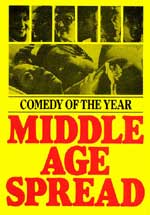 Colin
(Grant Tilly) is the deputy principal of a city high school (Avondale
College, Auckland) who reluctantly applies for the principal's job on
the latter's retirement. Colin's wife, Elizabeth - who is losing interest
in him -gives a dinner party. Among the guests is Judy, temporarily reconciled
with her husband for the sake of the children. Colin - who has taken upon
jogging to combat a spreading waistline - and Judy, gradually enter into
an affair. A excellent script with quality acting, especially surprising
given its very low budget of under $200,000. Recommended.
Colin
(Grant Tilly) is the deputy principal of a city high school (Avondale
College, Auckland) who reluctantly applies for the principal's job on
the latter's retirement. Colin's wife, Elizabeth - who is losing interest
in him -gives a dinner party. Among the guests is Judy, temporarily reconciled
with her husband for the sake of the children. Colin - who has taken upon
jogging to combat a spreading waistline - and Judy, gradually enter into
an affair. A excellent script with quality acting, especially surprising
given its very low budget of under $200,000. Recommended.
Buchtips in Vorbereitung
zurück zur Startseite
|
Filme
aus Neuseeland
|
|
Buchtips
Neuseeland
|
| Reiseführer |

Filme und Bücher online bestellen bei

kostenlose Lieferung
ab 20 EUR